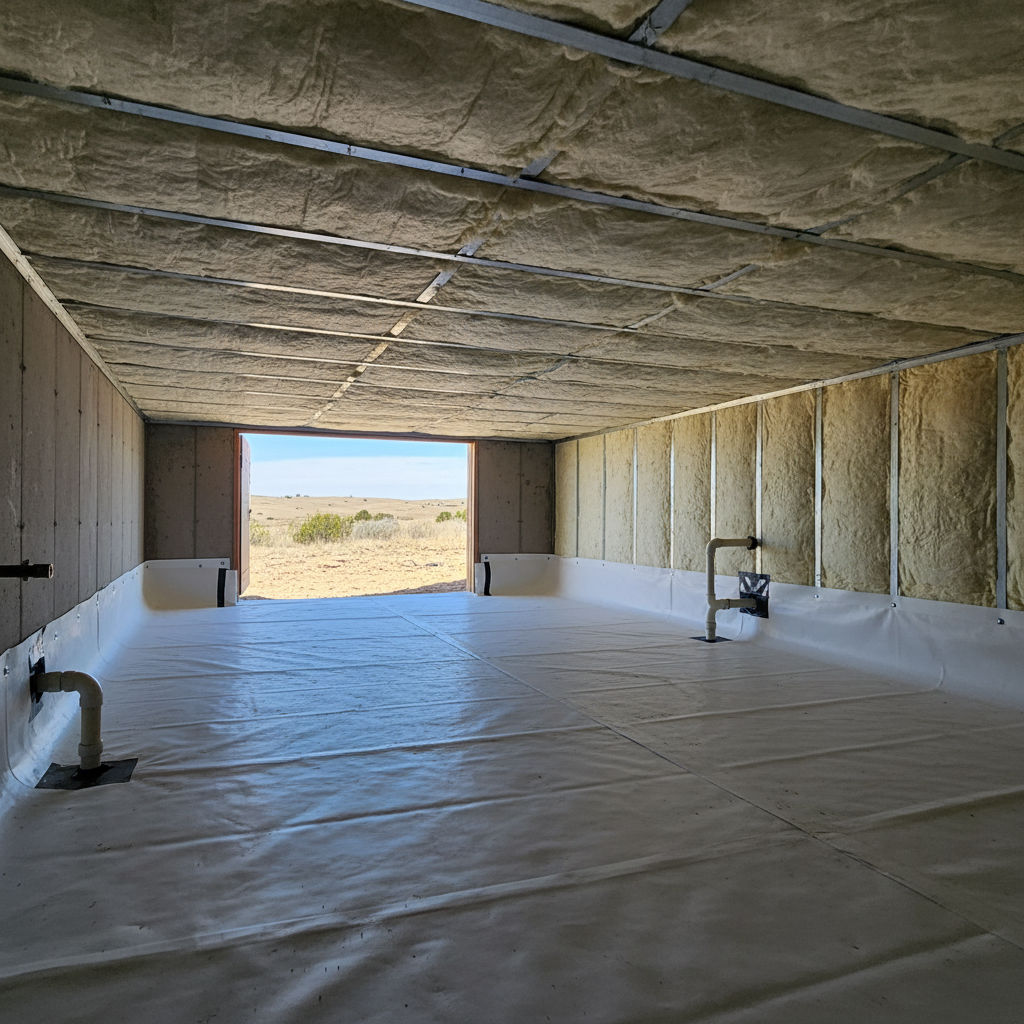
Looking to insulate your crawl space? That's a really smart move for any homeowner in Box Elder. A well-insulated crawl space can actually save you a good chunk of change on energy bills, make your floors feel much cozier, and even clean up your indoor air quality a bit. But, you know, I've seen plenty of folks around here trip up pretty badly when they try to get this done themselves or hire the wrong crew. So, let's chat about what to keep an eye out for. That way, you won't end up kicking yourself later.
Mistake #1: Thinking All Insulation is Created Equal
Oh, this is a huge one. Some homeowners just call up the cheapest guy they can find, or they hear 'insulation' and figure it's all the same stuff. Not even close. For crawl spaces, especially with our wild Box Elder winters and surprisingly muggy summers, the *type* of insulation you use really, really matters. You've got your batt insulation, rigid foam boards, and different kinds of spray foam. Each has its good points and bad points, and more importantly, they all perform differently in a damp, often vented crawl space.
Take fiberglass batts, for instance. They're cheap upfront, sure, but they can become a real nightmare if they get wet. And in a crawl space? 'If' often turns into 'when.' Once fiberglass gets damp, it loses its R-value, starts to sag, and can even become a perfect breeding ground for mold. You're much better off thinking about something moisture-resistant, like rigid foam or closed-cell spray foam, especially if you're not encapsulating the space. Don't just ask for 'insulation'; ask about the right kind of insulation for your specific crawl space conditions, okay?
Mistake #2: Ignoring Moisture Control First
Honestly, this is probably the biggest red flag I ever see. A lot of homeowners — and, frankly, some contractors who really should know better — will just slap insulation into a crawl space that's already got moisture problems. That's like putting a band-aid on a broken leg, isn't it? It won't fix the real issue, and it'll probably make your new insulation worthless, or even create a bigger, slimier mess.
Before you even *think* about insulation, you absolutely have to deal with any standing water, high humidity, or leaks. This might mean improving the drainage around your foundation, putting down a vapor barrier on the ground, or even adding a dehumidifier. If your crawl space is always damp, especially with the clay soils we have around here that just love to hold water, insulating without fixing the moisture problem is just throwing money down the drain. Any decent contractor, like us at Majestic Insulation Company, will bring this up first. If they don't? Well, that's a pretty good sign to be suspicious.
Mistake #3: Venting a Crawl Space That Should Be Sealed
For years, everyone said to vent crawl spaces to the outside air. The idea was to dry them out. But what we've learned, especially in places with big temperature swings like Box Elder, is that this often causes more trouble than it solves. In the summer, those vents let in hot, humid air, which then condenses on cooler surfaces inside your crawl space, leading straight to moisture problems. In the winter, they let in freezing cold air, making your floors icy cold and sending your heating bills through the roof.
Many modern building science experts now suggest sealing and conditioning crawl spaces, treating them like they're just another part of your home's conditioned envelope. This means closing off those vents, installing a heavy-duty vapor barrier on the ground and up the walls, and sometimes even adding a little bit of conditioned air from your HVAC system or a dedicated dehumidifier. If a contractor insists on just adding insulation to a vented crawl space without talking about sealing options, they might be a bit behind the times.
Mistake #4: Not Checking for Pests or Structural Issues
Before any insulation goes in, you really need to make sure your crawl space is clean and structurally sound. I've seen jobs where insulation was installed right over rodent droppings, old pest nests, or even areas with rotting wood. Not only is that just plain unsanitary, but it also means you're covering up problems that are only going to get worse over time.
A good contractor will do a thorough inspection first. They'll look for signs of pests, check for any damaged wood, and just make sure everything is in good shape before they even start. If they just want to jump straight to installing insulation without a proper assessment, that's a shortcut you definitely don't want them taking. You don't want to find out a year later you've got a whole family of raccoons living comfortably in your brand-new insulation, do you?
Mistake #5: Underestimating the Importance of Air Sealing
Insulation is great, no doubt, but it's really only half the battle. Air sealing is just as, if not *more*, critical in a crawl space. Gaps and cracks in your foundation walls, around pipes, and where the subfloor meets the foundation can let in a tremendous amount of unconditioned air, moisture, and even pests. You could have the best insulation in the world, but if air is constantly leaking around it, you're still going to have comfort issues and higher energy bills.
A truly comprehensive crawl space project should always include air sealing. This means using caulk, foam sealants, or other appropriate materials to block off all those tiny pathways for air movement. If a contractor talks only about R-value and doesn't mention air sealing, they're missing a crucial piece of the puzzle. It's the combination of good insulation and thorough air sealing that really makes a difference, believe me.
So, there you have it. Don't fall into these common traps. Do your homework, ask the right questions, and make sure whoever you hire truly understands the unique challenges of crawl spaces, especially right here in Box Elder. It'll save you a lot of headaches and money down the road, I promise.